

- Have any questions?
- 9223561555
- elementskit@gmail.com


Modular Kitchen vs Traditional Kitchen – Which One Is Better for Indian Homes?
April 7, 2026
Questions to Ask Before Hiring a Kitchen Designer
May 13, 202610 Things to Consider Before Designing a Modular Kitchen
10 Things to Consider Before Designing a Modular Kitchen
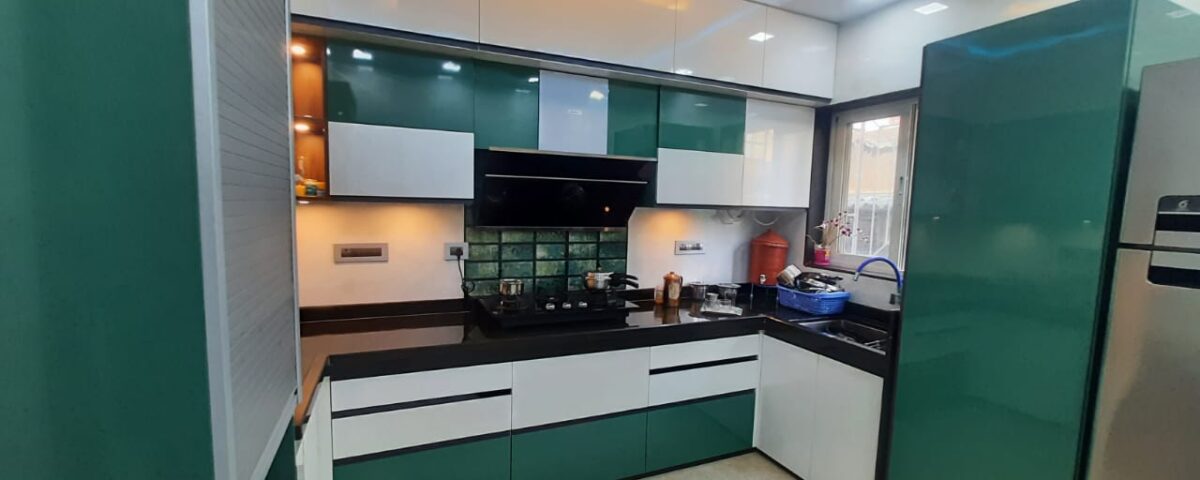
A well-designed kitchen is the heart of a modern home. Today, many homeowners prefer modular kitchens because they offer a perfect combination of style, functionality, and efficient space utilization. However, designing a modular kitchen requires proper planning and careful decision-making.
Before you start designing your kitchen, it is important to consider several factors such as layout, storage, materials, appliances, and budget. These decisions will determine how comfortable and efficient your kitchen will be in the long run.
In this guide, we will explore 10 important things to consider before designing a modular kitchen to help you create a practical and stylish cooking space.
1. Kitchen Layout
The kitchen layout is one of the most important factors when planning a modular kitchen. The layout determines how efficiently you can move between the cooking, cleaning, and storage areas.
Common modular kitchen layouts include:
- L-shaped kitchen
- U-shaped kitchen
- Parallel kitchen
- Island kitchen
- Straight kitchen
Choosing the right layout ensures better workflow and makes cooking more convenient.
2. Available Kitchen Space
Before designing a modular kitchen, it is important to measure the available space accurately. The size and shape of your kitchen will influence the layout, cabinet placement, and storage options.
For small kitchens, compact designs with vertical storage work best, while larger kitchens can accommodate islands and additional cabinets.
Proper space planning helps create a functional and clutter-free kitchen.
3. Storage Requirements
A modular kitchen should provide enough storage for utensils, cookware, groceries, and appliances.
Consider including smart storage solutions such as:
- Pull-out drawers
- Tall storage units
- Corner cabinets
- Built-in organizers
- Pantry units
Efficient storage helps keep the kitchen organized and makes daily cooking easier.
4. Material Quality
The durability of your kitchen depends largely on the materials used for cabinets, shutters, and countertops.
Popular materials include:
- Plywood
- MDF
- Particle board
- HDHMR boards
High-quality materials ensure that your kitchen remains strong, moisture-resistant, and long-lasting.
5. Countertop Selection
The countertop is one of the most used surfaces in a kitchen. It should be durable, heat-resistant, and easy to maintain.
Common countertop materials include:
- Granite
- Quartz
- Marble
- Solid surface
Choosing the right countertop improves both the functionality and appearance of your modular kitchen.
6. Kitchen Appliances
Modern kitchens often include built-in appliances such as ovens, chimneys, microwaves, and dishwashers.
Before designing your kitchen, decide which appliances you want and where they will be placed. Proper appliance planning ensures:
- Better workflow
- Efficient space utilization
- Clean and organized design
7. Lighting Design
Good lighting is essential for a functional kitchen. A modular kitchen should include a combination of different types of lighting:
- Task lighting for cooking areas
- Ambient lighting for overall brightness
- Under-cabinet lighting for countertops
Proper lighting improves visibility and enhances the overall look of the kitchen.
8. Ventilation System
Indian cooking often involves strong spices, oil, and heat. Therefore, proper ventilation is extremely important.
A good ventilation system may include:
- Chimney or exhaust system
- Windows for natural airflow
Effective ventilation keeps the kitchen fresh and prevents smoke and odors from spreading throughout the house.
9. Budget Planning
Budget is a crucial factor when designing a modular kitchen. The overall cost depends on:
- Materials used
- Kitchen size
- Cabinet finishes
- Accessories and appliances
Planning your budget in advance helps avoid unnecessary expenses and ensures that the kitchen design stays within your financial limits.
10. Maintenance and Cleaning
A kitchen should be easy to maintain and clean. Choosing materials that are resistant to stains, moisture, and heat can reduce maintenance efforts.
For example:
- Laminated surfaces are easy to wipe
- Granite countertops are durable and stain-resistant
- Organized storage prevents clutter
Considering maintenance during the design stage helps keep your kitchen hygienic and long-lasting.
Conclusion
Designing a kitchen is an important step in creating a comfortable and functional home. By carefully considering factors like layout, storage, materials, appliances, lighting, and budget, you can design a kitchen that perfectly suits your lifestyle.
When planned properly, a modular kitchen not only enhances the appearance of your home but also improves efficiency and convenience in daily cooking.
Taking the time to evaluate these 10 things to consider before designing a modular kitchen will help you create a kitchen that is stylish, practical, and built to last.
Frequently Asked Questions (FAQs)
1. What should I consider before designing a modular kitchen?
Before designing a modular kitchen, you should consider the layout, available space, storage needs, materials, appliances, lighting, ventilation, and budget.
2. Which layout is best for a modular kitchen?
The best layout depends on the kitchen size. L-shaped and parallel kitchens are popular choices for modern homes because they provide efficient workflow and good storage.
3. How much does a modular kitchen cost?
The cost of a modular kitchen depends on the size, materials, and accessories used. Prices can vary widely depending on customization and design complexity.
4. What materials are best for modular kitchen cabinets?
Plywood, MDF, and HDHMR boards are commonly used materials for modular kitchen cabinets due to their durability and moisture resistance.
5. How can I increase storage in a modular kitchen?
You can increase storage by using tall cabinets, pull-out drawers, corner units, and built-in organizers.
6. Why is ventilation important in a kitchen?
Proper ventilation removes smoke, heat, and cooking odors, keeping the kitchen fresh and comfortable.
Related posts
June 10, 2026